Tuesday 03 / February / 2026
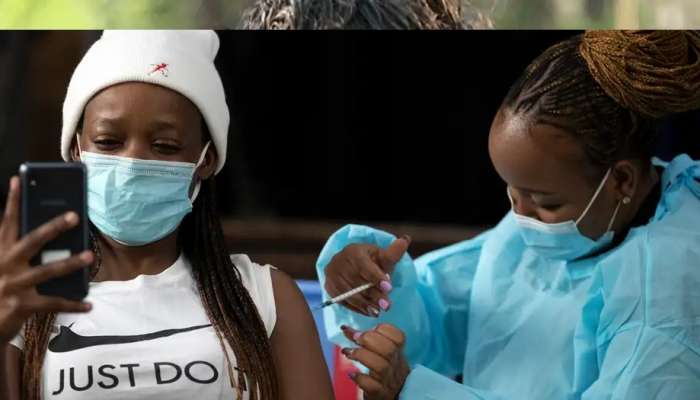
New York: The United States sent major shockwaves through the global health system by leaving the World Health Organization (WHO) in January 2026.
Not only is the United States one of the founding members of WHO, but it has also traditionally been the largest contributor, accounting for nearly 15% of its budget.
Its withdrawal creates a critical funding gap that disproportionately affects Africa, where WHO spending is heavily invested in fighting infectious diseases and strengthening fragile healthcare systems.
In 2020-2021, WHO, for example, allocated $17.6 million (€15 million) to Malawi. The health body has not published recent figures, but many development finance analysts estimate a reduction following the US withdrawal.
"It is saddening to note that the relationship between one of the founders of the World Health Organization, which is the US and the WHO has gone sour," Maziko Matemba, a Malawian health activist, said.
"We know most of the developing countries, like Malawi, will have problems, because we have relied on technical expertise from the World Health Organization on health [sector] strengthening," Matemba told DW.
No one at WHO headquarters in Geneva was available for comment when DW reached out.
A January statement made by the organisation says it "regrets" the US's notification of withdrawal from WHO, "a decision that makes both the United States and the world less safe."
WHO's Executive Board is meeting on February 2 to discuss, among other things, the US intention to withdraw from WHO.
Programmes targeting HIV/AIDS, tuberculosis (TB), malaria, polio and neglected tropical diseases are especially vulnerable. Countries such as Nigeria, Uganda, Kenya, Mozambique, Zambia and the Democratic Republic of Congo (DRC) are among the largest recipients of US-linked global health funding.
These countries now risk disruptions to drug procurement, prevention campaigns and community health services. Experts warn that even short-term disruptions can lead to increased transmission, drug resistance and reversals of decades of progress in HIV and TB control.
Funding shortfall will weaken emergency response
Another significant impact could be on disease surveillance and emergency response. Health experts say the capacity to effectively respond to health emergencies in Africa may weaken.
The WHO plays a significant role in coordinating outbreak detection, data sharing and rapid response. For example, in tackling outbreaks of the Ebola and Marburg viruses, cholera and emerging respiratory diseases.
US technical support and funding have been critical to containing and tackling these health challenges, through collaborations in laboratory testing, joint external evaluations of pandemic preparedness and emergency financing.
African countries may face slower outbreak detection and less coordinated international support.
Such a scenario also increases the risk that local epidemics escalate into regional or global crises.
Individuals like Mildred Chisale, a sex worker in Malawi's capital, Lilongwe, worry about access to lifesaving drugs, especially after the Trump administration also terminated USAID programs.
"I was part of a group called Female Sex Workers Association (FISWA), which worked together with USAID to allow us access to drugs like PREP," Chisale told DW.
PREP is an antiretroviral tablet that people who are at risk of HIV exposure can take to prevent contracting HIV.
"Since USAID stopped funding local organisations, we have been affected," she added.
Extra burden on overstretched health systems
Beyond emergency response, WHO-supported programmes in Africa contribute to healthcare workforce training, maternal and child health, immunisation campaigns and health governance.
Budget cuts to these crucial areas may force governments to increase borrowing, raise household healthcare costs and exacerbate health inequities. In low-income contexts, this can mean delayed care and higher mortality, especially for women and children.In addition, withdrawing from the WHO reduces US influence over global health norms and standards, potentially opening space for other powers — such as China— to shape priorities and governance.
For Africa, this could mean a gradual shift toward alternative donors and regional health bodies, particularly the Africa Centres for Disease Control and Prevention (Africa CDC). While greater African ownership of health security is a positive long-term goal, a sudden transition risks creating gaps in financing, coordination, and technical capacity.
Health partnerships at risk
The US withdrawal also deals a blow to multilateralism. For African governments that have long depended on predictable and stable international health partnerships, the US move reinforces concerns about the reliability of major donors and the fragility of global health commitments.
It also means skilled health workers will lose jobs.
Malawian health activist Matemba said that he was hearing that a significant proportion of the WHO workforce globally will be retrenched, adding that it shows how vital US funding is to the WHO's operations.
Back in May 2025, the WHO already announced plans, which need to be discussed with member states, to reduce its workforce by about 25% by mid-2026.