Sunday 20 / September / 2026
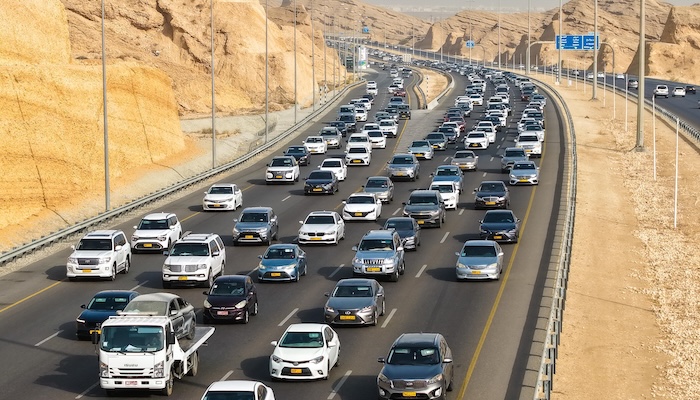
Muscat: Muscat Municipality continues its dedicated efforts to develop sustainable traffic solutions that enhance the efficiency of the road network and improve the quality of life across the Governorate through the implementation of the Muscat Area Traffic Study 2025. This Study represents the third edition of this strategic initiative.
The study forms part of the Government’s ongoing commitment to upgrading the performance of the road network, through expansion of existing roads and/or introducing new road links wherever feasible, and supporting public transport systems to provide practical and viable alternatives to private vehicle use in terms of cost, time, and accessibility.
Notably, Muscat ranks among the least congested Arab cities in the 2024 and 2025 Numbeo Traffic Indexes. In addition, the Sultanate of Oman secured first place regionally and eighth place globally in road quality, according to the World Economic Forum’s rankings, for three consecutive years (2023-2025). These achievements reflect the tangible impact of sustained efforts in this vital sector – particularly given the unique geographical characteristics of Muscat Governorate, which extends longitudinally from east to west, with the Al Hajar mountain range to the south. This terrain presents technical and financial challenges in constructing alternative routes or expanding existing roads, as well as higher infrastructure costs associated with engineering works such as mountain cutting, slope stabilisation, wadi protection measures, and bridge and tunnel construction.
The Study aims to assess 2025 congestion bottlenecks, analyse travel patterns and traffic-generating areas, and develop an integrated digital simulation model. This model will serve as a strategic tool for monitoring and evaluating traffic movement through 2035 and 2045. It also examines available solutions and alternatives, measuring their technical and economic impact on the Governorate’s road network.
Recognising that traffic solutions extend beyond road widening or the opening of new routes, the Study also explores, in parallel, sustainable measures that include enhancing various modes of public transport and proposing supportive regulatory and administrative measures, culminating in a comprehensive, integrated action plan spanning the short-, medium-, and long-term.
The data collection phase included the most extensive field surveys conducted to date. These covered 88 intersections and roundabouts, automated traffic counts at 54 locations, 21 bridges, and seven public parking sites. Additionally, 250,000 travel destination surveys were distributed via SMS in four languages, and in-person interviews were conducted at more than 19 key locations across the Governorate.
The findings revealed that 97% of road users rely on private vehicles for daily mobility, and 70% of trips are made in single-occupancy vehicles. This underscores the urgent need to promote a culture of shared mobility and to expand the effective use of public transportation services.
His Excellency Eng Ahmed bin Said Al Amri, Chairman of Muscat Municipality, commented, saying, “The 2025 Muscat Area Traffic Study represents a strategic step toward sustainable urban planning grounded in data and rigorous scientific analysis. We do not approach traffic congestion as a short-term challenge; rather, we address it within a long-term vision spanning 20 years, balancing technical and economic feasibility while accounting for population growth, urban expansion, and economic activity across the Governorate.
“We highly value the positive engagement of citizens and residents in the success of this study through their broad participation in surveys and field assessments. Traffic congestion is a shared responsibility, and sustainable solutions begin with evolving mobility patterns, strengthening the culture of shared transport, and making effective use of public transportation systems for the benefit of the wider community.”
Muscat Municipality affirms its continued coordination with relevant authorities to apply advanced analytical systems and forecasting methodologies, leading to the development of an integrated structural plan that addresses the Governorate’s long-term needs, supports sustainable development objectives, and enhances quality of life across Muscat.