Saturday 04 / April / 2026
Muscat: The Oman Chamber of Commerce and Industry (OCCI) will implement five specialised training programmes during the period from April 5 to August 13 of the current year, targeting the development of private sector skills and enhancing its efficiency across a number of key economic sectors, namely industry, tourism, agriculture, logistics, and mining.
These programmes come within the Chamber’s strategic directions, which are based on three main pillars: improving the business environment, expanding economic diversification, and partnering in the economic development of governorates, thereby contributing to achieving the objectives of Oman Vision 2040.
The programmes include the Industrial Excellence and Export Programme, the Sustainable National Tourism Entrepreneurship Programme, the Model Farm Management Programme, the Logistics and Supply Chain Management Programme, and the Efficient and Sustainable Mining Project Management Programme.
These programmes aim to equip business owners with applied knowledge and practical skills through professional training content that combines both theoretical and practical aspects, in addition to field visits and the preparation of applied reports, in order to enhance competitiveness and strengthen the institutional performance of the private sector.
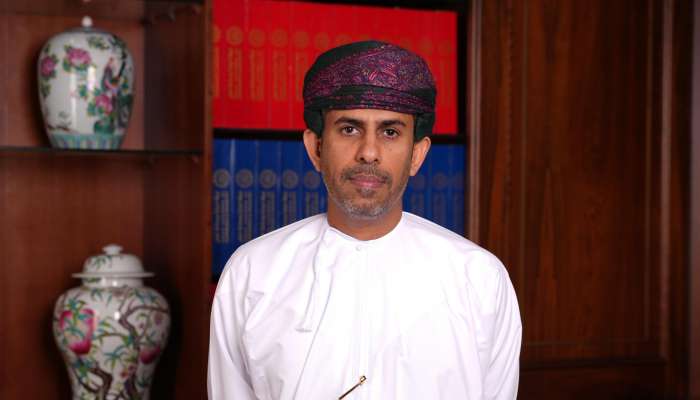
H.E. Sheikh Faisal bin Abdullah Al Rawas, Chairman of the Board of Directors of the Oman Chamber of Commerce and Industry (OCCI), stated that the implementation of these specialised training programmes reflects the Chamber’s pivotal role in supporting and empowering the private sector as a key partner in achieving sustainable economic development. He noted that investing in the development of human capabilities represents a fundamental pillar for enhancing the competitiveness of Omani institutions and improving their efficiency across various vital sectors. He added that these training initiatives are aligned with the Chamber’s strategic directions by empowering business owners and enhancing investment opportunities across different sectors, thereby creating added value for the national economy in line with the objectives of Oman Vision 2040.
For his part, Zakariya bin Abdullah Al Saadi, CEO of the Oman Chamber of Commerce and Industry (OCCI), said that the Chamber, through its efforts to improve the business environment, seeks to enhance the capabilities of business owners by implementing high-quality training programmes aimed at improving the efficiency of employees in the private sector and enabling the workforce within their companies to effectively perform their role in achieving national objectives related to the development of this sector. He explained that these efforts contribute to advancing the private sector, enhancing workforce efficiency, and developing both technical and behavioural skills among leaders in small and medium enterprises in line with the requirements of the next phase.
It is worth noting that the Industrial Excellence and Export Programme aims to improve production efficiency in industrial establishments, promote the use of modern technologies in industrial operations, and develop effective export strategies that contribute to increasing the presence of Omani products in global markets, enhancing competitiveness locally and internationally, and developing leadership skills in managing industrial enterprises. The programme targets owners of manufacturing companies, factory managers, and professionals in industrial and supply sectors, and will be implemented in the governorates of Muscat, North Al Batinah, and Al Dakhiliyah.
The Sustainable National Tourism Entrepreneurship Programme focuses on empowering emerging entrepreneurs in the tourism sector, encouraging sustainable and eco-tourism projects, promoting cultural and heritage tourism, and developing digital marketing capabilities among professionals in the tourism sector. The programme targets entrepreneurs in tourism, particularly in eco, sustainable, cultural, and heritage tourism, and will be implemented in the governorates of Al Dakhiliyah, Musandam, and Al Wusta.
The Model Farm Management Programme aims to improve local agricultural production using modern and sustainable technologies, enhance resource management through better utilisation of water, energy, and fertilisers, reduce agricultural waste, and stimulate investment in sustainable agricultural projects. The programme targets owners of model farms and entrepreneurs in the agricultural sector, and will be implemented in the governorates of South Al Batinah, South Al Sharqiyah, and Dhofar.
The Logistics and Supply Chain Management Programme aims to enhance the efficiency of supply chain management and logistics operations, reduce operational costs, increase delivery speed, develop effective strategies for managing warehouses and transportation, promote the adoption of modern technologies in this field, and enhance competitiveness in local and international markets. The programme targets company owners and employees in the sectors of trade, transport, manufacturing, storage, and distribution, and will be implemented in the governorates of Muscat, South Al Batinah, and Al Buraimi.
The Efficient and Sustainable Mining Project Management Programme aims to enable participants to manage operations and develop mining projects and related activities, enhance environmental awareness and promote a culture of sustainable mining, improve efficiency in mining operations, and apply safety standards. The programme targets project managers in mining companies, entrepreneurs, and institutions operating in the mining sector, and will be implemented in the governorates of North Al Batinah, Al Buraimi, and Al Dhahirah.