Monday 17 / August / 2026
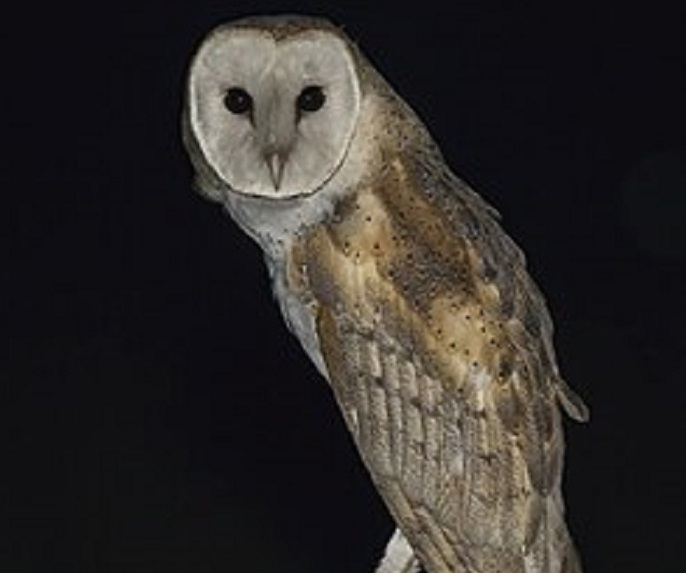
MUSCAT: The Environment Authority of Oman has highlighted the important role played by the barn owl (Tyto alba) in the Sultanate’s natural environment, drawing attention to the species’ distinctive characteristics, habitat and contribution to maintaining ecological balance.
As part of its environmental awareness efforts, the authority presented the barn owl as a valuable component of Oman’s biodiversity. The bird is primarily active after sunset and is well adapted to a nocturnal lifestyle, using its exceptional senses to locate prey in darkness.
The barn owl can be found in a variety of environments, including caves, old structures and areas around trees, where it seeks suitable locations for shelter and nesting.
Its presence in these habitats reflects the species’ ability to adapt to different surroundings while remaining closely connected to the natural ecosystem.
One of the most important characteristics of the barn owl is its role as a natural predator of rodents. By feeding on mice, rats and other small prey, the bird helps regulate their populations naturally. This makes the species an important contributor to the balance of local ecosystems and reduces the need for other forms of pest control in areas where barn owls are present.
The Environment Authority also highlighted the owl’s remarkable hunting abilities.
Its highly developed hearing and vision enable it to detect and locate prey with considerable accuracy, even under low-light conditions. These adaptations make the barn owl an effective nocturnal hunter.
Another distinctive feature is its exceptionally quiet flight. The structure of the barn owl’s feathers allows it to fly with minimal noise, helping it approach prey without being easily detected. This silent movement is one of the species’ most notable adaptations and gives it a significant advantage during nighttime hunting.
Beyond its biological characteristics, the barn owl serves as an example of the importance of protecting wildlife and preserving natural habitats in Oman. The continued presence of native and migratory bird species contributes to the Sultanate’s biodiversity and reflects the health and diversity of its ecosystems.
The authority’s awareness message encourages greater appreciation of wildlife and recognition of the role individual species play within the wider environment. Protecting birds such as the barn owl, along with their habitats, supports Oman’s broader efforts to conserve biodiversity and promote sustainable environmental practices.
Through such awareness initiatives, the Environment Authority seeks to strengthen public understanding of Oman’s wildlife and encourage communities to coexist responsibly with the country’s diverse range of species.