Thursday 19 / November / 2026
Or How digital transformation is shaping Oman’s future
As Oman celebrates its National Day, the country's remarkable progress in digital transformation stands out as one of the significant achievements of its development journey. Moving beyond traditional economic structures, the Sultanate is increasingly positioning itself as a technology-driven economy, with digital innovation emerging as a key pillar ofOman Vision 2040.
The Government of Oman and the Central Bank of Oman (CBO) are at the forefront of the Sultanate’s digital transformation, playing pivotal roles in advancing the strategic objectives of Oman Vision 2040.
The CBO has been instrumental in strengthening the National Payment Systems, promoting interoperability among banks and Payment Service Providers (PSPs), and facilitating faster, safer and more cost-effective digital transactions. Its efforts have significantly accelerated Oman’s transition towards a cashless economy. The Mobile Payment Clearing and Switching System (MPCSS), along with OmanNet, has expanded the reach of digital payments through mobile numbers, e-wallets and QR codes. The IBAN system has enhanced the accuracy, security and efficiency of banking transactions.
The MAAL card was another initiative for cheaper domestic digital payments. The initiatives to promote e-KYC, digital onboarding and card tokenisation are making financial services more accessible, efficient and secure. By fostering fintech innovation and encouraging digital payment solutions, it is also promoting a competitive and dynamic financial services ecosystem. The introduction of e-invoicing under the broader digitalisation of tax administration is expected to improve transparency, strengthen tax compliance and enhance government revenue collection.
The impact of these transformation is visible in the payment statistics. Data showed that the value of local electronic payment gateway transactions reached about OMR3.2 billion, achieving growth of 76.3 percent compared with 2024. The number of transactions also rose sharply from 67 million to more than 168 million in one year, a growth rate of 150 percent.
Point-of-sale (POS) transactions recorded strong performance with value exceeding OMR7.5 billion, recording growth of 33.20 percent, while QR-code payments registered an impressive 133.5 percent increase in transactions with OMR8 million , marking an almost threefold increase compared with 2024.
E-commerce has emerged as another key pillar of Oman’s growing digital economy. The high smart phone penetration is creating a favourable environment for this and the data shows a significant shift in consumer behaviour across the Sultanate. While e-commerce transactions surged by 20.4 percent to OMR1.82 billion in 2025, ATM transaction volumes declined by 14.5 per cent, indicating a gradual move away from cash withdrawals towards digital payment methods. This trend reflects a fundamental transformation in Oman’s financial ecosystem.
However, Cybersecurity, data protection, digital literacy and consumer awareness must be part of the country,s digital transformation journey. Notably, Oman scored 97.02 points in the Global Cybersecurity Index 2024, securing a place in the prestigious Tier 1 category. Building domestic expertise and encouraging investment in cybersecurity will be essential to protecting the expanding digital ecosystem.
Last but not the least is the robustness of Oman's banking sector which provides a strong foundation for the country's ongoing digital transformation agenda. Financial Stability Report (FSR) released recently, highlights the importance of a sound, well-capitalised (CAR 18.8 percent) and resilient banking system in safeguarding financial stability and supporting sustainable economic growth.
Oman’s digital transformation is no longer merely an ambition under Vision 2040; it is steadily becoming a reality. The progress made in digital payments, fintech innovation, e-commerce and financial infrastructure reflects the Sultanate’s determination to build a diversified, technology-driven economy. As Oman celebrates its National Day, these achievements reaffirm its commitment to a future that is more connected, inclusive, secure and economically resilient.
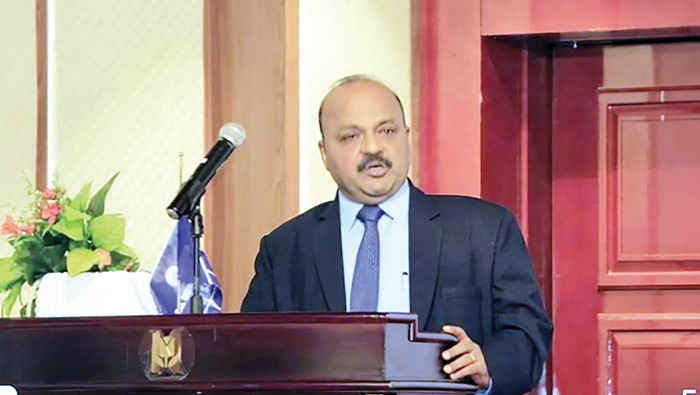
* The writer is the executive advisor to the BOD of Global Money Exchange, Muscat